Republic Bank gives 50 SCC youths a financial head start
Fifty young people at the Senior Correctional Centre (SCC) in Accra have completed an intensive 12-module financial capability programme designed to support their successful transition back into society and help them achieve long-term economic independence.
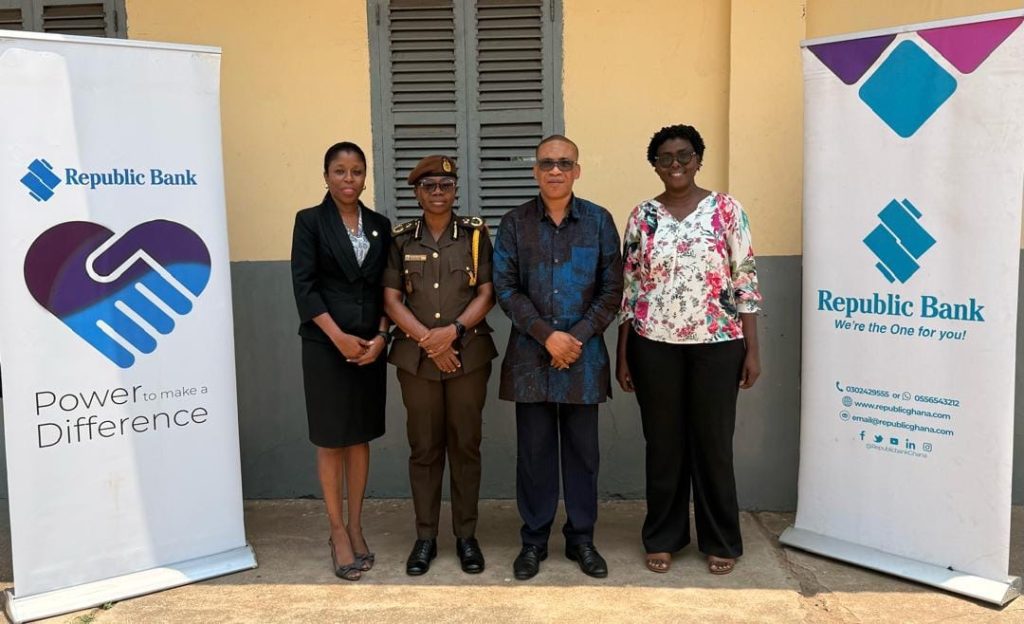
The initiative, titled, Rise to Economic Security, Empowerment and Transformation, or RESET, combines vocational training, financial education, and direct access to banking services. Led by researchers from the University of North Carolina (UNC) in collaboration with the University of Ghana’s Department of Social Work and the SCC, the programme was supported by Republic Bank (Ghana) PLC as its sole financial partner.
Over the course of the programme, volunteer staff from Republic Bank conducted modules covering budgeting, saving, responsible borrowing, entrepreneurship, and long-term financial planning.
To bridge the gap between classroom instruction and real-world application, Republic Bank opened formal bank accounts for all 50 participants. Upon their release, each youth will receive seed funding to establish a small workshop or launch an income-generating venture.
Professor David Ansong of UNC, Lead Researcher on the project, emphasized that post-release success depends heavily on practical financial access.
“Successful reintegration requires more than rehabilitation within a correctional setting,” Ansong said. “RESET brings together these core elements of financial capability and asset building to help participants translate their skills and aspirations into sustainable livelihoods and greater economic independence.”
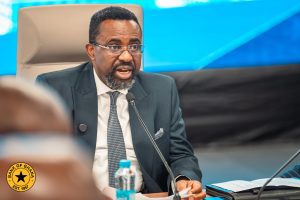
Addressing the participants following their completion of the modules, Dr. Benjamin Dzoboku, Managing Director of Republic Bank (Ghana) PLC, highlighted the importance of actionable financial inclusion.
“RESET is fundamentally about second chances and the opportunity to begin again with purpose,” Dzoboku noted. “Their past should not define their future. The seed funding will provide a practical starting point for participants to put the lessons and skills acquired through RESET into action.”
READ ALSO:Ghana needs 6,000 new cell sites – Minister
Correctional and academic leaders also noted the role of multi-sector partnerships in improving reintegration outcomes. DDP Yayra Ashong-Mettle, Officer-in-Charge of the SCC, stated that the program reinforces the Centre’s core mission by preparing residents for independent living.
Dr. Abena Ampomah, Co-Principal Investigator from the University of Ghana, added that the project demonstrates how academic research can directly inform solutions for vulnerable populations.
Shestated, “By strengthening the financial capability of participants and connecting them to real economic opportunities, we are improving their prospects for sustainable reintegration.”
About The Author