
Digital assets should ride on MoMo rails — Shaibu
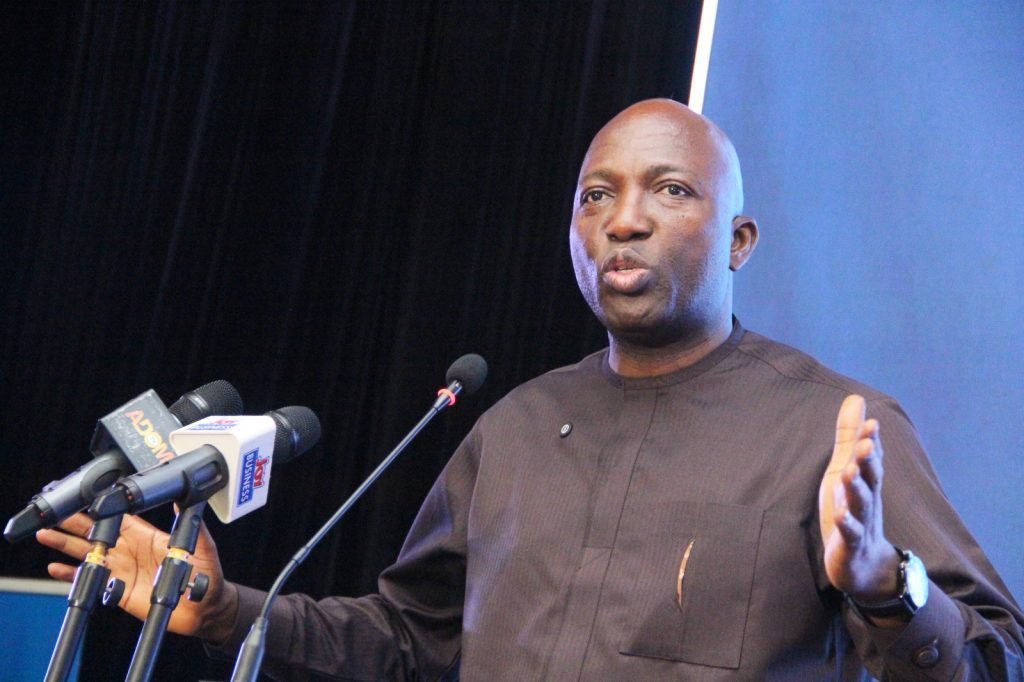
The Chief Executive Officer [CEO] of MobileMoney Fintech LTD (MMFL), Shaibu Haruna, has proposed that Ghana’s emerging digital asset ecosystem should be built on the country’s well-established mobile money infrastructure, arguing that such an approach would significantly reduce investment costs, accelerate adoption and position Ghana as a leader in Africa’s evolving digital finance landscape.
According to him, Ghana has already made substantial investments over the past decade in mobile money, interoperability and digital payment systems, creating a trusted financial infrastructure that can now serve as the foundation for tokenisation, virtual assets and other next-generation financial services without the need to build an entirely new ecosystem.
Speaking during a panel discussion on “From Exploration to Adoption: How Banks and FinTechs Can Build the Digital Asset Ecosystem Together” at Fidelity Bank Ghana’s stakeholder workshop on “Shaping Ghana’s Financial Future: Digital Assets, Virtual Assets, Tokenisation,” Shaibu said the country’s digital payments infrastructure has matured sufficiently to support the next phase of financial innovation.
Building on existing infrastructure
He explained that Ghana’s interoperable mobile money ecosystem already functions as a nationwide digital payments highway capable of supporting more sophisticated financial products.
Rather than creating parallel systems, he argued, the country should leverage the infrastructure that millions of Ghanaians already use daily.
“We have built a domestic highway and network for digital payments. Through interoperability and mobile money, we have created a strong domestic payment infrastructure. What we are now adding is an international gateway that addresses the friction that exists in cross-border payments,” he said.
Shaibu stressed that tokenisation should complement, rather than replace, existing financial systems by making services more efficient, affordable and accessible.
“For me, this is about leveraging the infrastructure we have already built. Customers no longer need to visit physical branches to carry out transactions. They already use their mobile phones every day. Our responsibility is to build platforms that enable them to seamlessly access these new services while giving them greater choice,” he stated.
Significant cost savings
Industry experts believe that building Ghana’s digital asset ecosystem on existing mobile money infrastructure could generate substantial financial savings for both government and private sector institutions.
Instead of investing billions of cedis in developing new nationwide payment networks, financial institutions can utilise the existing mobile money architecture, agent network, interoperability platform, customer base and digital wallets that already serve millions of users across the country.
This approach would reduce infrastructure duplication, shorten implementation timelines, lower operational costs and accelerate nationwide adoption of digital asset services.
It would also minimise customer acquisition costs since users are already familiar with mobile money platforms, reducing the need for expensive public education and onboarding campaigns.
The existing mobile money ecosystem also offers ready-made identity verification systems, transaction monitoring capabilities and regulatory compliance mechanisms that can support secure digital asset transactions.
Cross-border opportunities
Shaibu identified cross-border payments, remittances and tokenised investment products as some of the immediate opportunities digital assets could unlock for Ghana.
He noted that integrating tokenised financial products with existing mobile money platforms could significantly reduce the cost and time associated with international money transfers while expanding access to investment opportunities.
Such innovations, he said, would improve financial inclusion and create new avenues for economic growth.
Partnerships remain critical
The MMFL CEO emphasised that collaboration among banks, FinTech companies and regulators would determine the success of Ghana’s digital asset ecosystem.
“The question is not whether banks need mobile money operators or vice versa. The regulatory framework itself encourages partnerships. Every institution must determine where it has the expertise to build and where collaboration delivers greater value,” he said.
Banks urged to embrace FinTechs
In a separate presentation, David Animante urged banks to view FinTech companies as strategic partners rather than competitors.
He explained that while FinTech firms are driving innovation, banks contribute strong governance structures, capital, customer trust and robust risk management systems, making collaboration essential to building a secure and sustainable digital asset market.
READ ALSO: Ghana’s 2026 Mid-Year Economic Review: Can stability translate into real business growth?
Positioning Ghana for the digital economy
The stakeholder workshop brought together regulators, banks, FinTech companies and digital asset experts to examine the commercial applications of digital assets, tokenisation, virtual assets and cross-border payment solutions.
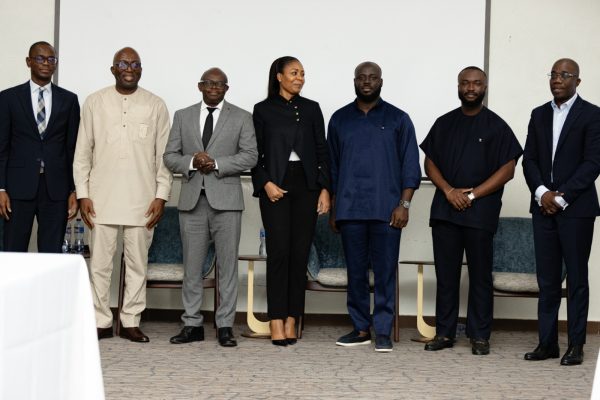
Other panellists included Kofi Genfi and Kwadwo Owusu-Agyemang, who shared insights on regulation, digital asset infrastructure and the future of digital finance.
Participants agreed that by leveraging its existing mobile money ecosystem instead of creating entirely new infrastructure, Ghana has a unique opportunity to reduce costs, accelerate innovation, strengthen financial inclusion and establish itself as a regional leader in Africa’s rapidly expanding digital asset economy.
About The Author