Ghana’s Money Must Honour History
By Prof. Samuel Lartey
Ghanaians should not need a public controversy to identify the person honoured on their money. Banknote portraits carry national memory into shops, markets and homes.
The Heritage Series debate therefore concerns a public obligation: when the state places a face on currency, it must demonstrate that the representation is historically sound and recognisable.
The portrait that prompted questions
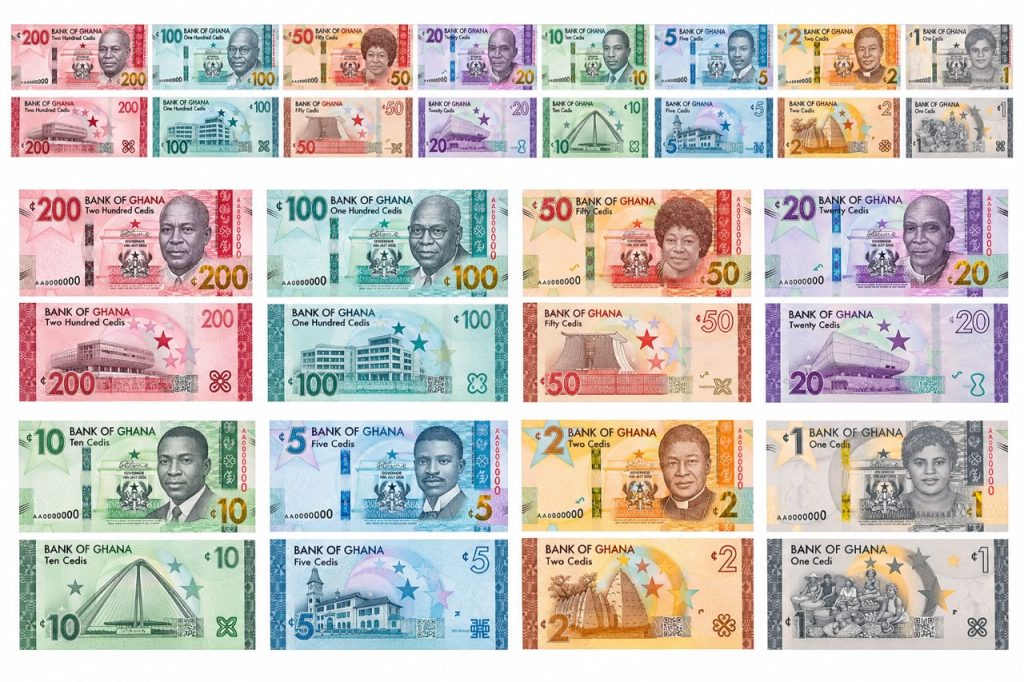
The Heritage Series was launched by President John Dramani Mahama on 12 November 2026. Official announcements scheduled circulation for 1 December, describing smaller banknotes, reinforced cotton paper and improved security. Existing notes would circulate alongside the new series during the transition.
Attention turned to the GH¢50 portrait intended to honour Theodosia Salome Okoh, designer of Ghana’s flag. In its clarification on 13 November, the Bank of Ghana said the engraving drew on photographs of Mrs Okoh rather than her sister, Dr Letitia Obeng. It acknowledged that adaptations, including a changed hairstyle, contributed to perceived differences and resemblance to her sister.
An artistic engraving can differ from its source photograph. The relevant test is whether it remains recognisable. The explanation establishes neither artificial intelligence involvement nor defective security features. It leaves a legitimate question about the scrutiny applied before final approval.
What earlier currency changes teach
“Cedi” derives from “sedie”, meaning cowrie. Shells and gold dust preceded colonial and national currency arrangements.
| Date or period | Currency development |
| 1
Earlier exchange |
Cowries and gold dust. |
| 2
14 July 1958 |
National pounds issued. |
| 3
19 July 1965 |
Cedi and pesewa introduced. |
| 4
17 February 1967 |
New cedi introduced. |
| 5
1 July 2007 |
10,000 old cedis became GH¢1. |
| 6
12 November 2026 |
Heritage Series launched. |
The 2007 redenomination removed four zeros, requiring equivalent conversion of prices, wages and balances. Simpler figures did not automatically create wealth. Likewise, redesigned banknotes do not independently strengthen purchasing power.
Confidence has practical costs
For government, longer-lasting notes could reduce replacement frequency. Any benefit must be assessed against printing, distribution, education and equipment adaptation expenditure. No verified net saving is claimed here.
Businesses need cashiers who recognise genuine notes and explain the transition accurately. Banks and retailers should test counting and acceptance equipment. Uncertainty can slow transactions and create openings for fraud.
Investors assess the credibility of institutions as well as inflation, fiscal management and external conditions. Historical accuracy supports legitimacy, but this controversy alone establishes neither currency depreciation nor investment losses.
Households need explanations in local languages and accessible formats. Rural traders, older citizens and people with visual impairments deserve demonstrations. Continued acceptance of existing notes during the announced transition must be communicated. New designs cannot substitute for affordable necessities or stable incomes.
READ ALSO: BoG slashes policy to rate 11%
Make accountability visible
- Arrange historical review using documented photographs, specialists and appropriate family engagement.
- Publish findings and explain any corrective decision, including costs and implications for circulation.
- Demonstrate authentication features through banks, markets and accessible broadcasts. Monitor acceptance problems and reported fraud.
Conclusion
Currency earns acceptance through credible institutions and everyday usefulness. Ghana should answer the portrait controversy with evidence, respectful engagement and correction where justified. Honour requires more than printing a name beside an image. The Heritage Series must preserve recognisable history while economic policy protects the value citizens carry home.
About The Author