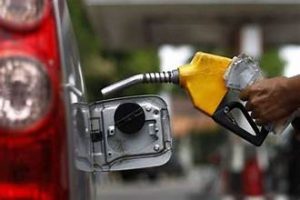
Govt cuts petrol by 36p, diesel by GH¢2
Government has announced a temporary reduction in fuel costs, stepping in to cushion consumers after weeks of sharp price increases triggered by escalating tensions in the Middle East.
Effective April 16, 2026, the state will absorb GH¢2.00 per litre on diesel and GH¢0.36 per litre on petrol, in what officials describe as a short-term intervention aimed at easing pressure on households, transport operators and businesses.
The announcement comes against the backdrop of a sustained surge in global oil prices, which has filtered directly into Ghana’s domestic fuel market.
Since the outbreak of the latest Middle East conflict, crude oil prices have climbed significantly, driven by fears of supply disruptions and heightened geopolitical uncertainty.
These developments have pushed pump prices upward, intensifying cost-of-living pressures across the country.
Over the past weeks, transport fares have come under upward pressure, while businesses—particularly those reliant on fuel for logistics and production—have faced rising operational costs.
For many households, the ripple effects have been felt in higher food prices and general inflationary strain.
In a statement, Presidential Spokesman and Minister of State in charge of Government Communications, Felix Kwakye Ofosu, said the intervention was a direct response to these global shocks.
According to him, the one-month measure is intended to provide immediate relief while government monitors developments in the international oil market.
“The intervention underscores government’s commitment to protect livelihoods, stabilise prices and sustain economic recovery under challenging global conditions,” the statement noted.
The decision highlights the vulnerability of Ghana’s economy to external shocks, particularly fluctuations in global energy markets.
As a net importer of refined petroleum products, the country remains exposed to international price movements, with limited insulation against sudden spikes.
While the reduction offers some breathing space, analysts note that it is unlikely to fully reverse the cumulative increases recorded since the onset of the Middle East crisis.
Diesel prices, in particular, have seen steep adjustments, affecting sectors such as transportation, agriculture, and manufacturing
The government’s move to partially absorb costs is therefore seen as both a social and economic intervention—aimed at preventing further escalation in transport fares and containing inflationary pressures.
However, questions remain about the sustainability of such measures, especially if global oil prices remain elevated or continue to rise.
With fiscal space already constrained, prolonged subsidies or price absorption strategies could place additional pressure on public finances.
READ ALSO:Gold slips from one month high to $4,828
Despite these concerns, the government has reaffirmed its resolve to maintain price stability and shield citizens from the worst effects of global volatility.
The latest intervention signals a balancing act between fiscal discipline and social protection, as authorities seek to navigate the economic fallout from external geopolitical developments.
For now, consumers may see a modest reduction at the pumps. But the broader outlook will depend largely on how the Middle East situation evolves—and whether global oil markets stabilise in the weeks ahead.
About The Author