NIDO campaign targets childhood iron deficiency in Ghana
By SELORM GBORBIDZI, Accra
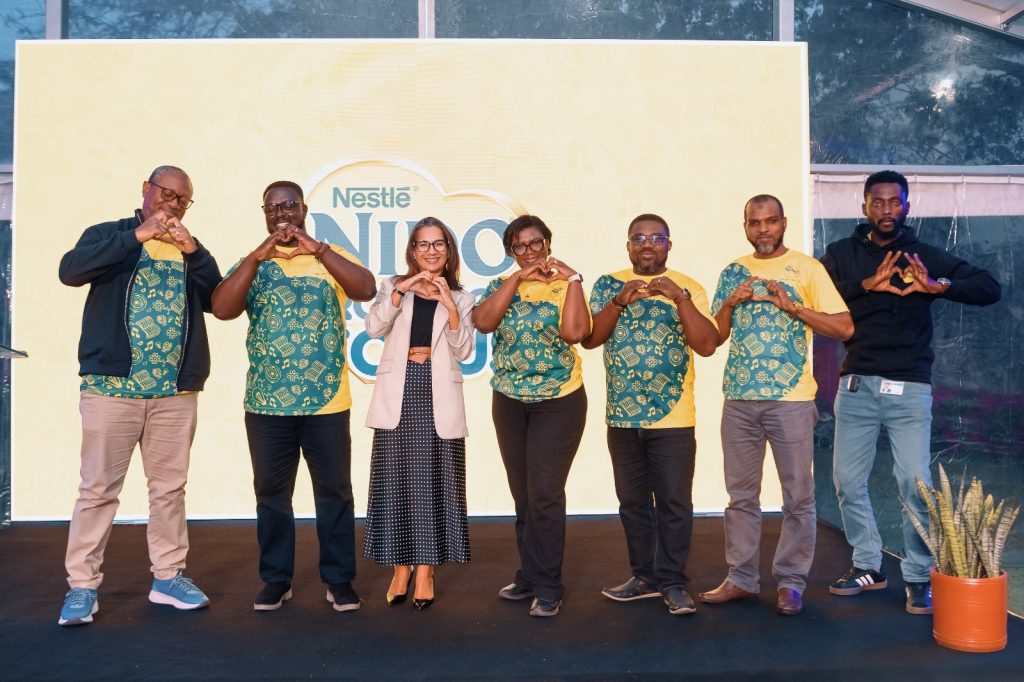
Nestlé Ghana Limited, has launched the NIDO Iron for Focus Campaign as part of efforts to tackle the growing challenge of iron deficiency among children in the country. The Campaign is also part of activities commemorating 70 years of Nestlé’s operations in Ghana.
Managing Director of Nestlé Ghana, Salome Azevedo, citing data from the Ghana Demographic and health Survey, sated that about 50% of Ghanaian children aged between 6 months and 5 years, suffer from iron deficiency.
Other studies, by academics at the University of Ghana, she said, had also revealed a high iron deficiency rate of about 78% in some parts of the country. The situation is no better among pregnant women, whom studies by the National Institute of Health, have shown to have a deficiency rate of about 81%.
She therefore called on parents and guardians of the nation’s children to choose foods rich in iron and prepare more balanced diets for their children, to prevent and reduce the devastating effects of the condition on the population.
This, Azecedo said, “is especially important for children, because good nutrition supports their physical growth, but also their ability to concentrate, learn, and participate fully in school and daily life. When children have access to the right nutrients, they are better equipped to reach their full potential.”
“Today, we are drawing attention to the importance of iron and the vital role it plays in the healthy growth and development of children. This is not just about producing and selling food; it is about bringing Nestlé’s purpose to life through initiatives such as this” she concluded.
Category Manager for Nutrition at Nestlé, Kwabena Asiedu Adaakwa, stated that the effects of iron deficiency anaemia in children and pregnant women, go beyond health.
The condition, he indicated, can reduce energy levels, affect concentration in class, limit participation in learning and play, and weaken confidence, ultimately impacting how well children grow, learn, and fulfil their potential, making it not only a health issue, but a long-term development challenge which can affect the nation’s future workforce.
READ ALSO:Vivo Energy Ghana, ATI sign apprenticeship MoU
He noted however that the condition can be reversed through the regular consumption of iron-rich foods such as animal proteins and legumes, cocoyam leaves (kontonmire).
Daakwa also touted the efficacy of NIDO, which has been fortified with iron to help make a meaningful difference in children’s lives and reduce their risk of anaemia.
He pointed out that one sachet of NIDO provides approximately 50% of the daily iron requirement for school-aged children between four and twelve years.
“At the heart of the NIDO Iron for Focus campaign is making clear to parent what they get when they choose NIDO,” Daakwa stated.
About The Author