
Chamber urges rice importers to buy paddy for local processing
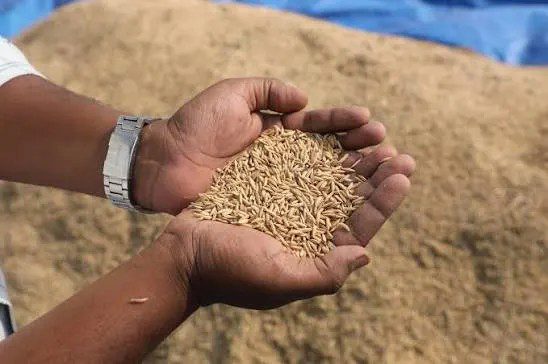
The Chamber of Agribusiness, Ghana, is urging the government to make imported paddy rice the priority under its proposed rice import cap, arguing that processing the grain locally would deliver greater benefits to farmers, businesses and workers than importing finished rice.
The Chamber says the policy should require importers to buy 50 per cent of their rice requirements from local millers, with the remaining share imported as paddy for processing in Ghana.
It says the approach would expand factory use, create jobs across the agricultural value chain and help retain more value in the country.
Chief Executive Officer of the Chamber Anthony Morrison said the proposed restriction in the 2027 Budget was a step in the right direction, but needed an implementation plan that strengthened local processing.
He proposed that the Ministry of Food and Agriculture estimate annual rice demand and allocate import quantities through a bidding process. “Rather than the milled rice, let’s focus on the paddy, because the paddy has rippling effects,” he said.
Paddy imports could support mills and poultry
Processing paddy in Ghana would generate local business for mills and create employment in processing, transport and related services, the Chamber argues.
Rice bran, a by-product of milling, could also be used in poultry feed, linking the policy to another part of the agricultural sector.
The proposal could attract international rice traders to establish processing facilities in Ghana, further increasing agro-industrial capacity, Mr Morrison said.
He estimates that Ghana spends more than US$600 million annually importing over one million metric tonnes of milled rice.
Shifting a greater share of imports to paddy for domestic processing, he argues, would keep more of that expenditure circulating in the local economy and could ease pressure on foreign exchange.
The scale of those gains would depend on the cost of imported paddy, the capacity of local mills and how much processing value is retained in Ghana.
The Chamber’s proposal is to pair imports with a firm purchasing requirement from domestic millers, so that local producers remain part of the supply chain.
Chamber calls for targeted agricultural spending
The Chamber also welcomed more than US$2.9 billion in planned agricultural allocations over four years, while calling for spending to address gaps in livestock production, emergency preparedness, youth participation and irrigation infrastructure.
READ ALSO: 62 tonnes of illicit mercury enter Ghana each year
It said aligning agricultural investment with production and processing needs will be essential to raising domestic output, creating jobs and reducing dependence on imported food.
The Chamber’s position is that rice policy should do more than limit imports: it should make every permitted import contribute to Ghanaian processing capacity.
Prioritising paddy rice, alongside guaranteed purchases from local millers, could help turn rice imports into an engine for domestic industry.
About The Author