The Bank of Ghana is tightening oversight of remittance inflows as part of a renewed push to channel more diaspora funds through the formal banking system and reinforce the stability of the cedi.
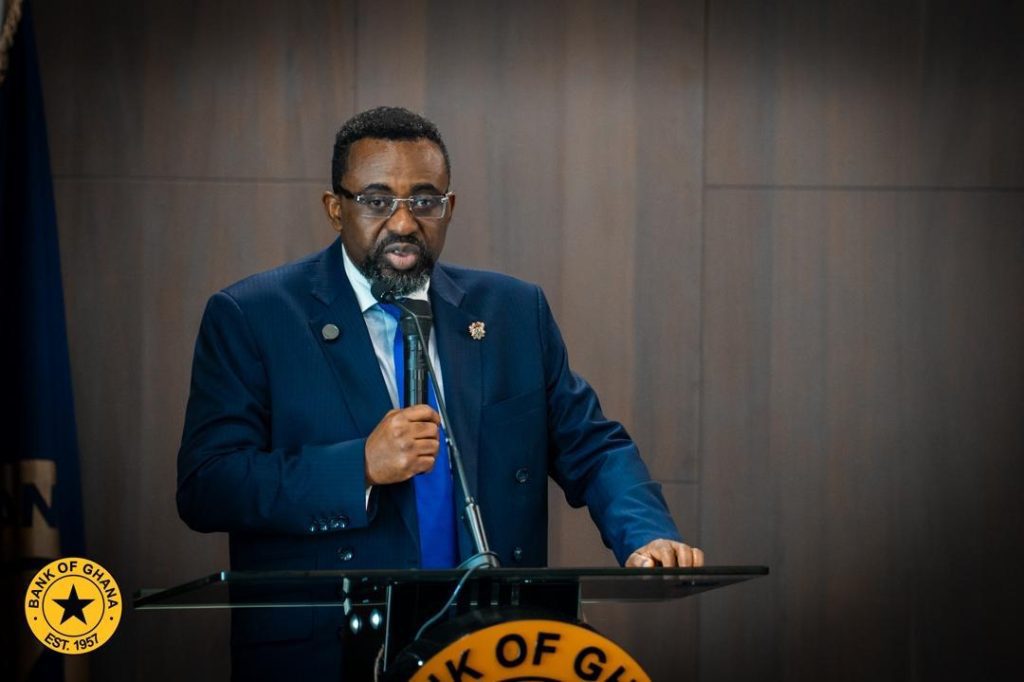
Speaking at the “The Central Bank Bridge: Remit to Invest” roundtable in Alexandria, Governor Johnson Pandit Asiama said a significant share of money sent home by Ghanaians abroad has been bypassing the country’s financial system, weakening foreign exchange reserves.
“Not all the dollars sent home actually enter Ghana’s banking system,” he said.
According to the Governor, some remittance operators keep foreign currency offshore while beneficiaries in Ghana are paid in cedis through local arrangements, a practice that prevents critical foreign exchange from reaching domestic banks.
To close that gap, the central bank has introduced stricter rules requiring remittance proceeds to be lodged in correspondent accounts held by Ghanaian banks with foreign partner institutions before they are disbursed locally.
“These monies are supposed to be paid into correspondent accounts. Once that happens, they enter the Ghanaian banking system,” Asiama said.
He warned that financial institutions will now be required to prove that funds received abroad are transferred into Ghana’s banking system or face sanctions from the regulator.
The move forms part of broader reforms by the Bank of Ghana to improve transparency in remittance transactions, which are estimated at about $7.8 billion annually and remain one of the country’s most important sources of foreign exchange.
The central bank believes stronger monitoring of these inflows is already contributing to higher officially recorded remittance volumes.
Beyond remittance controls, the Bank of Ghana is also accelerating digital finance reforms, including regulatory frameworks for fintech firms and planned legislation for digital assets and stablecoins increasingly used in cross-border payments.
READ ALSO: GCB Bank declares GH₵1 dividend per share
“As regulators, we need visibility. When we can see the flows, we can manage them better,” the Governor said.
The Bank is also advancing initiatives such as open banking and digital credit systems to expand access to finance for households and small businesses, with officials seeing digital lending as a tool to support entrepreneurship and reduce poverty.
The latest measures underscore the central bank’s strategy to improve foreign exchange liquidity, strengthen monetary management and deepen the economic contribution of Ghana’s diaspora.